Margery Thomas

Margery Thomas

Kent Wildlife Trust Volunteer

Featured content from the author

Blog

Hothfield Heathlands in March

Blog

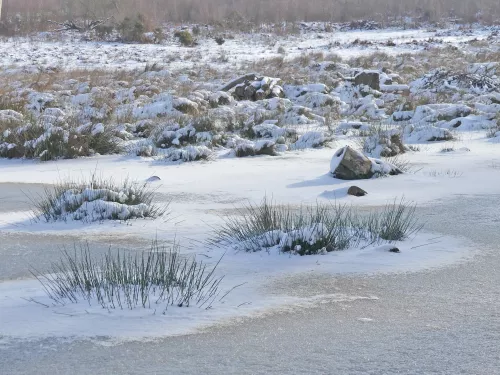
Kent Wildlife Trust volunteer, Margery Thomas, describes the snowy sights of the past month at Hothfield Heathlands and what we can look forward to in March.

Blog

Hothfield Heathlands in February

Blog

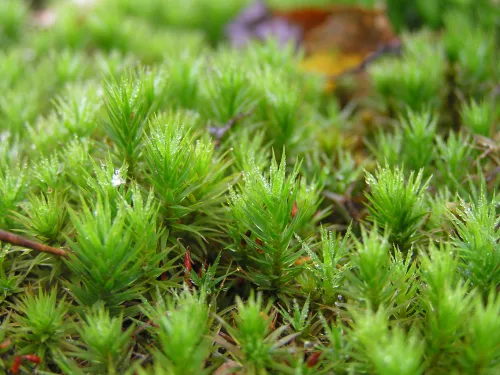
The brightest greens on the reserve throughout winter are provided by the mosses, not just in the upper bog, where the SSSI citation mentions 12 species of sphagnum moss, but the many other species, in long and cropped grass, on bare soil and stones, and on tree trunks and stumps - anywhere with poor drainage and low soil fertility. Accurate identification requires a strong magnifying lens and a good guide to the 800 UK species.

Blog
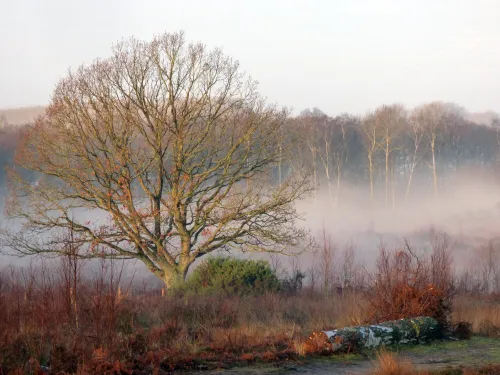
Tree at hothfield heathlands in the winter with a low line of fog behind it

Hothfield Heathlands in December

Blog

It’s harvest and hibernation time, some systems shutting down while embryonic life in the form of seeds fall and scatter, insect pupae drop to the ground to overwinter, and the many species of fungus on the heathland continue their spectacular show.

Featured content from the author

Blog
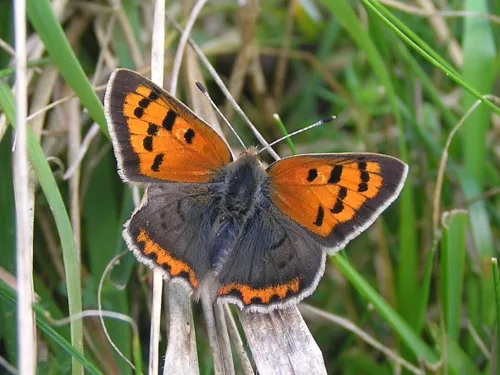
small copper butterfly on the grass

June on Hothfield Heathlands

Blog

We have had the driest spring since 1956, with river and stream flow already well below average for the time of year, a worry for everyone. Area Manager Ian Rickards reports that “this crazy weather has been beneficial for some insects, but the vegetation is already struggling, which will have a knock-on effect other insects later in the year. Water levels are dropping dramatically, with ponds and water bodies drying out very quickly.” The livestock have water troughs but the thin layer of peat in the bogs can dry out easily and be eroded by wind when exposed as plants adapted to damp conditions wither. The successive broods of nestling birds mostly eat insects and larvae, which provide moisture as well as protein, so they are also at risk.