August on Hothfield Heathlands: Tree pipits and ragwort
Pigs and tree pipits have returned to Hothfield Heathlands. Long-time volunteer Margery Thomas explores more in this blog.
Kent Wildlife Trust Volunteer
Pigs and tree pipits have returned to Hothfield Heathlands. Long-time volunteer Margery Thomas explores more in this blog.
We have had the driest spring since 1956, with river and stream flow already well below average for the time of year, a worry for everyone. Area Manager Ian Rickards reports that “this crazy weather has been beneficial for some insects, but the vegetation is already struggling, which will have a knock-on effect other insects later in the year. Water levels are dropping dramatically, with ponds and water bodies drying out very quickly.” The livestock have water troughs but the thin layer of peat in the bogs can dry out easily and be eroded by wind when exposed as plants adapted to damp conditions wither. The successive broods of nestling birds mostly eat insects and larvae, which provide moisture as well as protein, so they are also at risk.
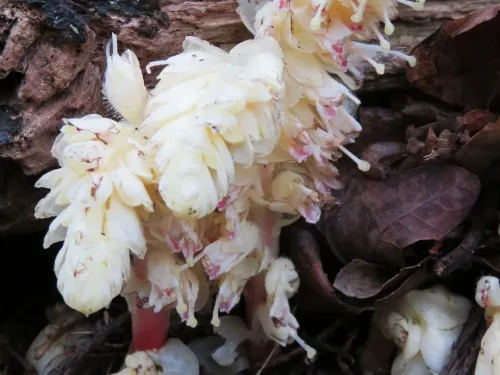
Volunteer Margery Thomas talks us through a fascinating species you can find on Hothfield Heathlands in May: toothwort! Read all about it and the recent bird counts at the reserve here.
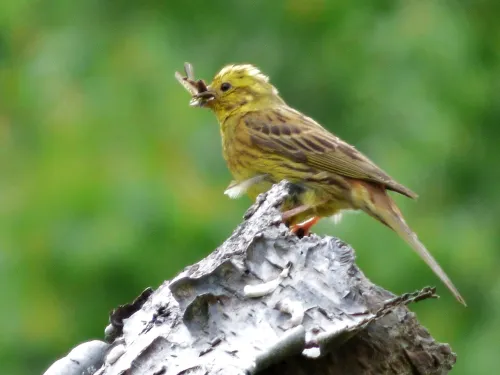
We are into full nesting season including the birds who nest on the ground or very low down in scrub, which is over half of Britain’s breeding species including the stonechat, robin, blackbird, skylark, yellow hammer, tree pipit and chiff chaff, not to mention the migrants such as whitethroats who will arrive from the South in May.