
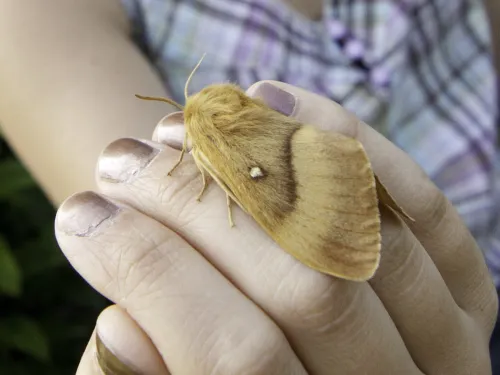
Oak eggar
These moths can be seen flying on sunny days, but you're more likely to spot the fuzzy caterpillars crawling over paths.

Coastal habitats are found wherever the land meets the sea. With some 17,800km, the UK has one of the longest national coastlines in Europe. The coast is home to many habitats, with cliffs, rocky shores, sand and shingle beaches, sand dunes, mudflats, saltmarshes and grazing marsh.
The movement of glaciers in the Ice Age, changes in sea level and the actions of currents, waves, wind and people have played key roles in the development of our coasts. The ways that rock resists erosion has helped shape shorelines, creating headlands and bays. Equally, the type of sediment and ocean currents determine where sand or shingle beaches form. The coast’s exposure to the elements is also important. Mud and silt washed down by rivers can build up in sheltered areas, forming sweeping mudflats and saltmarshes. These are home to thousands of birds, fish and other wildlife.
Coasts are either eroding or growing through the transfer of sediment, a natural material that is formed by erosion and transported by wind, water or ice.
The erosion of the land by the sea can result in the creation of cliffs. Cliffs formed of hard rock can be steep and are battered by spray. This influences the kind of plants that grow there. Rocky shores are made up of rocks, boulders and pools within and just above the tideline and are often found at the foot of cliffs.
Softer rock is more likely to form ‘slumped’ cliffs, which are shallower and support different habitats. The continuing erosion of cliffs allows sediment to build up on soft shores as cliffs are broken down to form sandy beaches.
The coastline is forever changing; it is a dynamic environment shaped by changes in sea levels or by sudden storms.
In the UK, no-one lives more than 80 miles from the sea. This closeness to the coast has held great cultural significance across the centuries. The sea is still important for peoples’ livelihoods. Many seaside towns now thrive on tourism and recreation. The coast is easily accessible for huge numbers of people, but recreational pressure can take its toll. Large numbers of walkers can damage sand dunes, saltmarshes and shingle beaches. Disturbance is also an issue for breeding birds and seals. This is particularly the case where habitats have been broken up or constrained, hemmed in by development, agriculture or sea defences.
Although the coastline is a naturally shifting boundary between the land and the sea, in many places humans have tried to limit or stop such change. Sea defences stretch around much of the coast (45% in England) in order to prevent the flooding of farmland, towns and villages. This is something of particular concern with the rapid rise in sea-levels due to climate change.
But these barriers do have a negative impact on our wildlife-rich coast. Soft coastal habitats are “squeezed” as the sea erodes them, but sea defences stop them from moving further inland as they naturally would. With less sediment being moved around, many soft shorelines are being eaten away rather than building up naturally.
However, habitats like saltmarsh can act as natural sea defences, protecting homes and businesses near the shore by absorbing the energy of the waves.
In some places, managed realignment is being used; sea defences are deliberately breached to allow coastal habitats to form further inland.
Take care not to disturb wildlife and habitats when visiting the coastline, especially during the breeding seasons for animals like birds and seals. During the summer, many waders and seabirds nest on sand and shingle beaches, and seal pups are born during late autumn and winter. Disturbance at this time can lead to young being injured or abandoned.
The Wildlife Trusts believe that we cannot afford any further reduction in the quality or quantity of our coastal habitats. Allowing these habitats the space to adjust by relaxing artificially fixed sea defence lines will be essential. We are working towards conservation of all coastal habitats and the wildlife they support. We are also working to raise awareness that managed realignment and habitat restoration is an economically viable and environmentally acceptable solution.
These moths can be seen flying on sunny days, but you're more likely to spot the fuzzy caterpillars crawling over paths.
A small, but feisty scavenger, this carnivorous sea snail does not let anything go to waste!
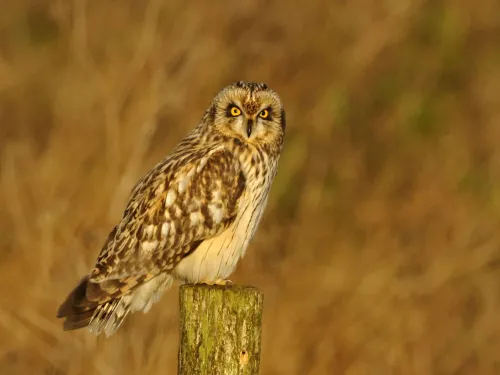
The short-eared owl, or 'Shortie', is an unusual owl because it prefers to be out and about in the daytime. Learn more about it in our species information page.
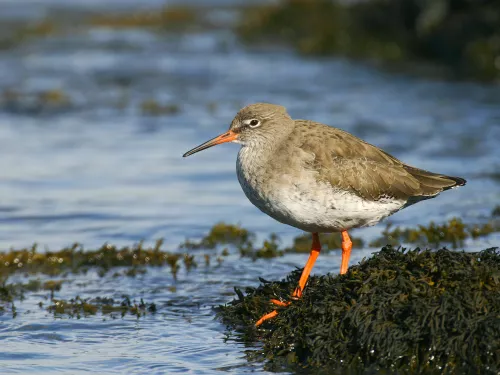
The redshank lives up to its name as it sports distinctive long, bright red legs! It feeds and breeds on marshes, mudflats, mires and saltmarshes. Look out for it posing on a fence post or rock.
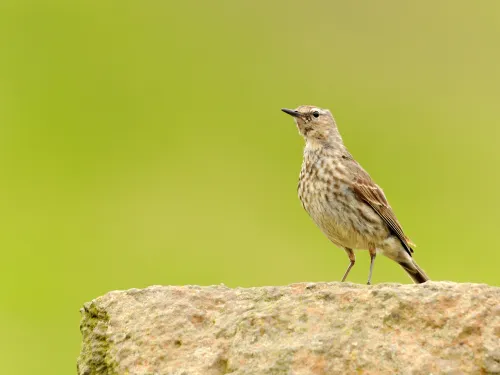
A common and stocky bird of our rocky coasts, the rock pipit can nearly always be seen close to the sea. It is a bit smaller than a starling.
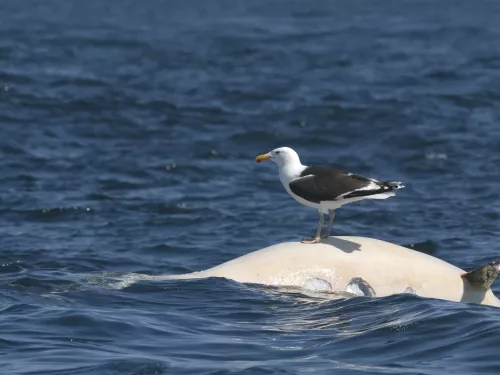
This huge gull can be seen around most of the UK's coasts in summer, with some venturing inland in winter.
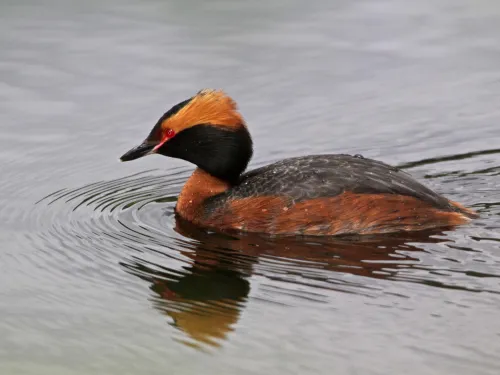
The rare Slavonian grebe is an attractive diving bird with distinctive, golden ear tufts that give rise to its American name - 'horned grebe'.
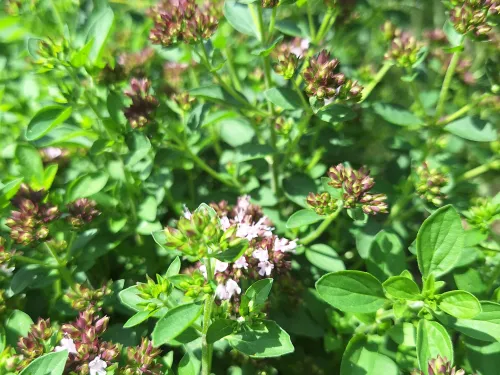
Wild marjoram is actually the same aromatic herb as oregano which is used in Mediterranean cooking. Its small, pink flower clusters can be seen on chalk and limestone grasslands in summer.
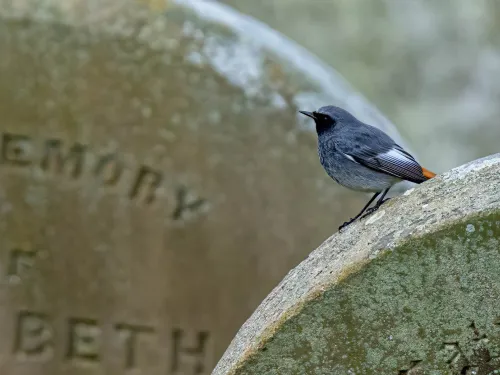
A rare breeder in the UK, this sooty-coloured bird is as at home on an industrial site as it is on a rocky cliff face.
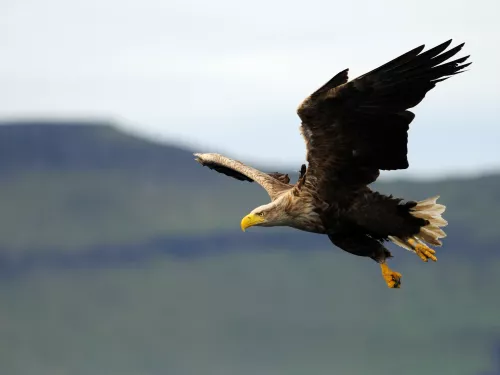
The huge white-tailed eagle is our largest bird of prey. Persecuted to extinction in the UK, it has been successfully reintroduced in Scotland. Look for it on the Isle of Mull and off the west coast of Scotland.
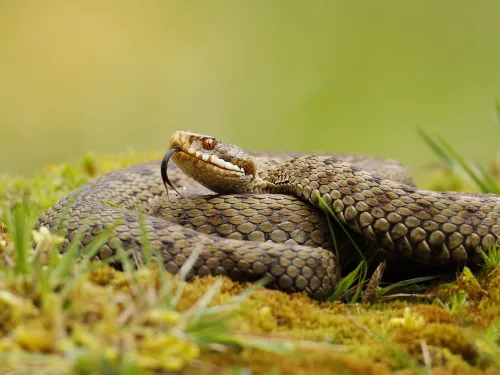
Our only venomous snake, the shy adder can be spotted basking in the sunshine in woodland glades and on heathlands.
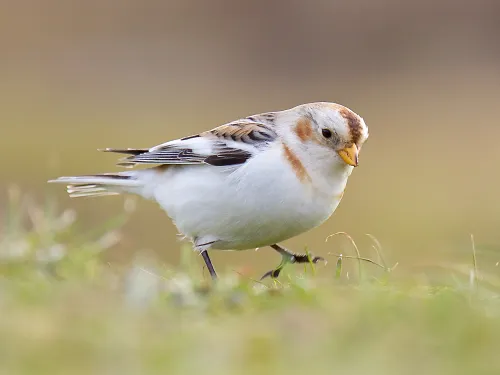
Only a few pairs of snow bunting breed here, so look out for this striking black-and-white bird in winter around Scotland, the North West and the East coast of England.
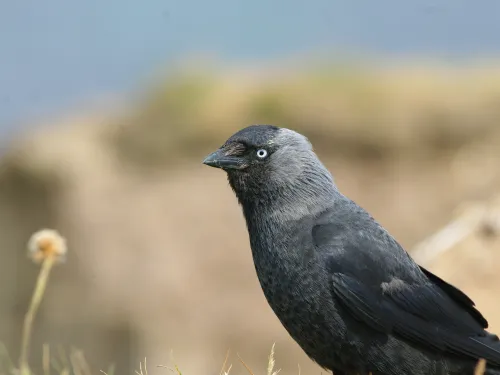
The jackdaw is a small, black-capped crow of woodlands, parks, towns and coast. It is a well-known thief, stealing other birds' eggs and breaking into garden feeders.

The glow-worm is not actually a worm, but a beetle. Males look like typical beetles, but the nightly glow of a female is unmistakeable - lighting up to attract a mate in the darkness of their grassland habitats. Look for the adults in summer.
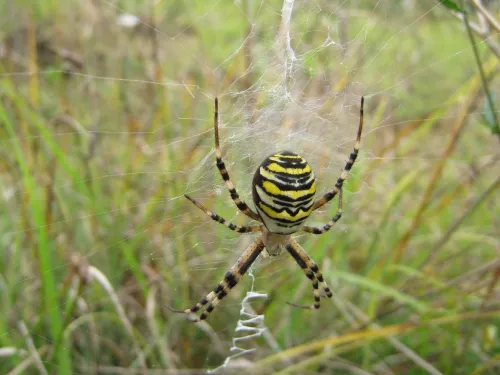
The wasp spider is a great mimic - looking just like a common wasp keeps it safe from predators, even though it is not dangerous itself. It can be found in southern England, but is spreading north.
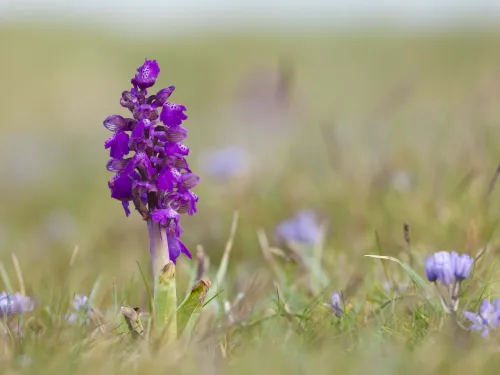
A short, but pretty plant of unimproved grasslands, the Green-winged orchid gets its name from the green veins in the 'hood' of its flowers. Look for it in May and June.
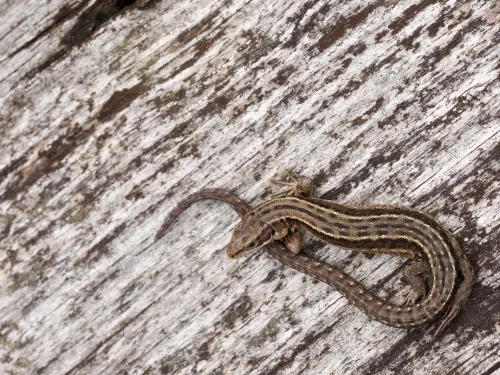
Look out for a common lizard basking in the warm sun as you wander around heathlands, moorlands and grasslands. You might even be lucky enough to spot one in your garden, too!
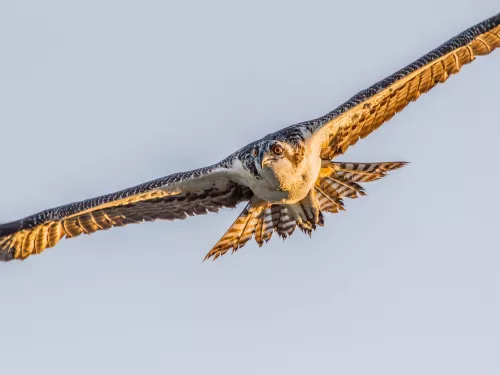
A great way to get up close and personal with the magnificent osprey is via one of the many nestcams set-up in the places that it breeds: Scotland, Cumbria, Wales and the East Midlands.
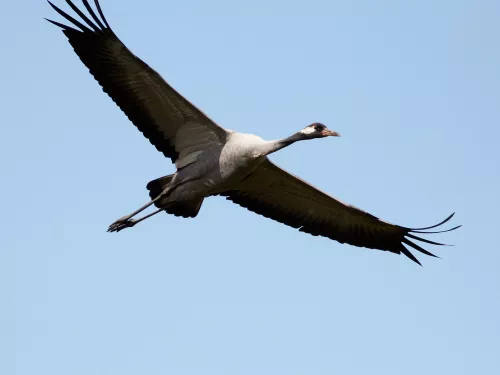
As the UK’s tallest bird the common crane is instantly recognisable with the ruffle of tail feathers and very long legs. Their bugling call is also very distinctive.
The short-eared owl, or 'Shortie', is an unusual owl because it prefers to be out and about in the daytime. Learn more about it in our species information page.
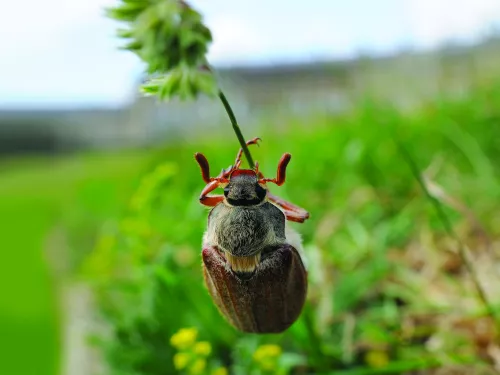
This large, brown beetle can be seen swarming around streetlights in spring. They live underground as larvae for years and emerge as adults often in large numbers. Listen for their characteristic buzzing sound.
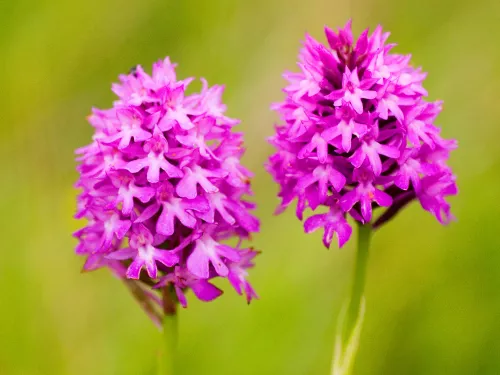
The Pyramidal orchid lives up to its name - look for a bright pinky-purple, densely packed pyramid of flowers atop a green stem. It likes chalk grassland, sand dunes, roadside verges and quarries.
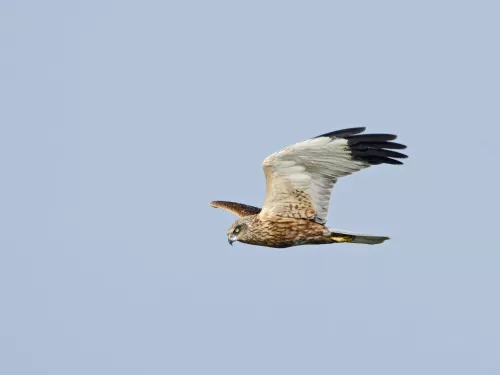
The courtship of the marsh harrier is certainly a sight to behold - wheeling and tumbling through the sky, male and female partners lock talons in mid-air. Look out for this rare bird over reedbeds in East Anglia, Somerset and the South East.
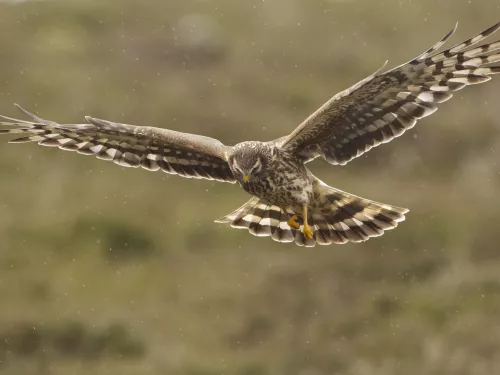
The hen harrier has been severely persecuted for taking game species and has suffered massive declines in numbers as a result. Thankfully, conservation projects are underway to reduce conflict surrounding its controversial prey.
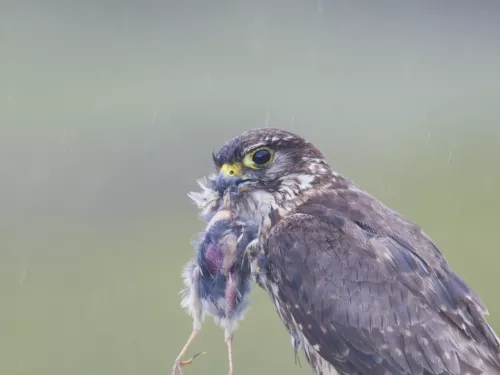
Our most diminutive falcon, the merlin is a pretty bird of prey. It chases small birds, flying low to the ground or hovering in the breeze because of its small size. Resident merlins are joined in winter by Icelandic migrants.
The redshank lives up to its name as it sports distinctive long, bright red legs! It feeds and breeds on marshes, mudflats, mires and saltmarshes. Look out for it posing on a fence post or rock.
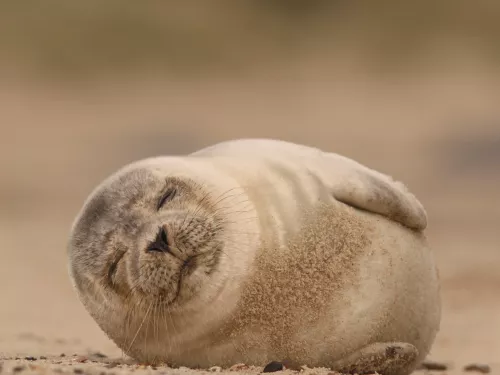
The smaller of our two UK seal species, common seals are also known as harbour seals. Despite being called "Common", they are actually less common than grey seals!
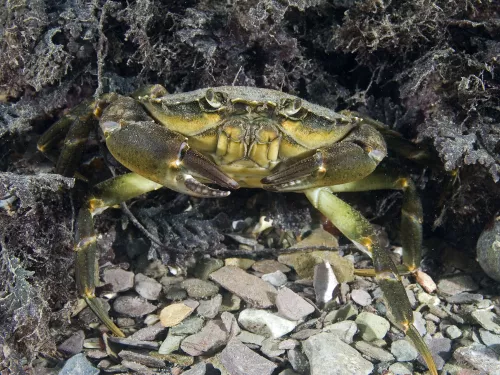
This crab is common around all of the UK. If you've ever been rockpooling or crabbing, it's probably the shore crab that you've met.
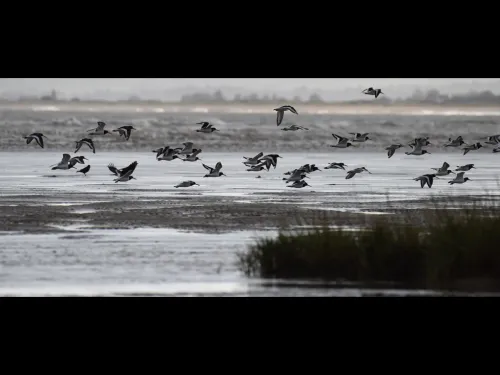
Listen to the rolling waves on the sand and shingle, breathe in the saline scents of the saltmarsh, and watch the wonderful wildlife this very important and sensitive National Nature Reserve has to offer.
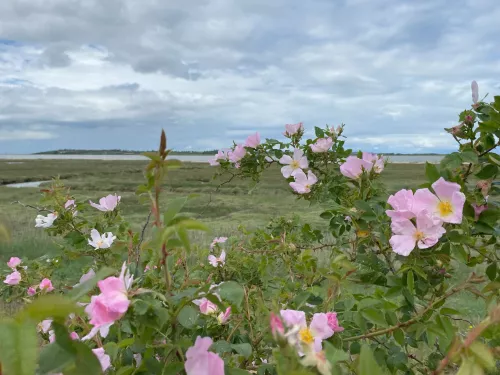
In the winter, South Swale welcomes migrating birds such as brent geese, turnstones, dunlin, avocets, osytercatchers and ringed plovers. In the summer, it's home to carpets of flowers which attract butterflies and some rare bee species!
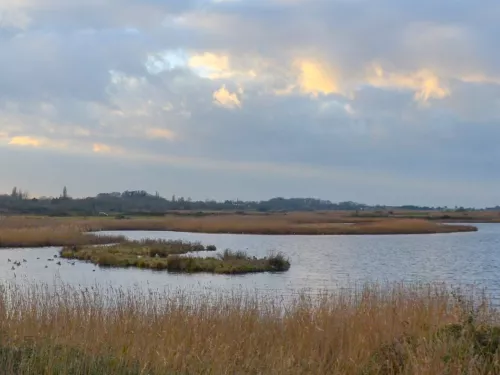
Oare Marshes is an international importance for migratory, overwintering and breeding wetland birds, the reserve consists of grazing marsh (one of a few left in Kent).
Listen to the rolling waves on the sand and shingle, breathe in the saline scents of the saltmarsh, and watch the wonderful wildlife this very important and sensitive National Nature Reserve has to offer.
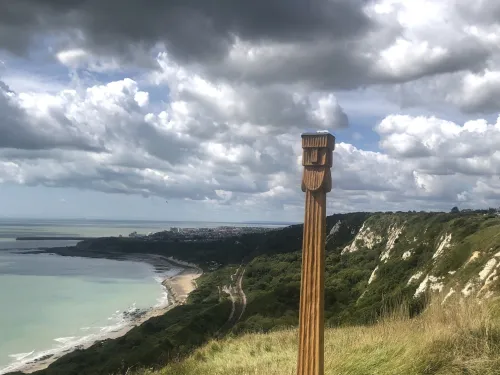
Overlooking the English channel, the Capel-le-Fern reserve has great views of the chalk cliffs that gives the White Cliffs of Dover its name.
Oare Marshes is an international importance for migratory, overwintering and breeding wetland birds, the reserve consists of grazing marsh (one of a few left in Kent).
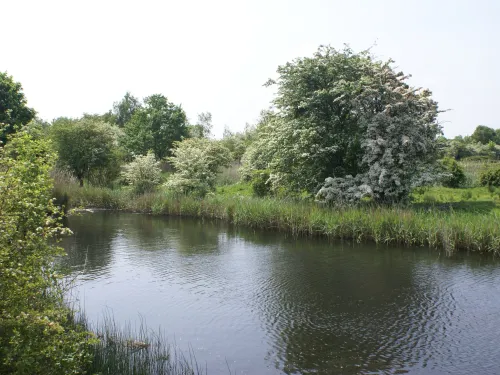
Lying along the edge of the river Medway, this patchwork of wet fields and scrub is criss-crossed by ditches and home to many rare and unusual plants and animals.
In the winter, South Swale welcomes migrating birds such as brent geese, turnstones, dunlin, avocets, osytercatchers and ringed plovers. In the summer, it's home to carpets of flowers which attract butterflies and some rare bee species!
Listen to the rolling waves on the sand and shingle, breathe in the saline scents of the saltmarsh, and watch the wonderful wildlife this very important and sensitive National Nature Reserve has to offer.
In the winter, South Swale welcomes migrating birds such as brent geese, turnstones, dunlin, avocets, osytercatchers and ringed plovers. In the summer, it's home to carpets of flowers which attract butterflies and some rare bee species!
Listen to the rolling waves on the sand and shingle, breathe in the saline scents of the saltmarsh, and watch the wonderful wildlife this very important and sensitive National Nature Reserve has to offer.
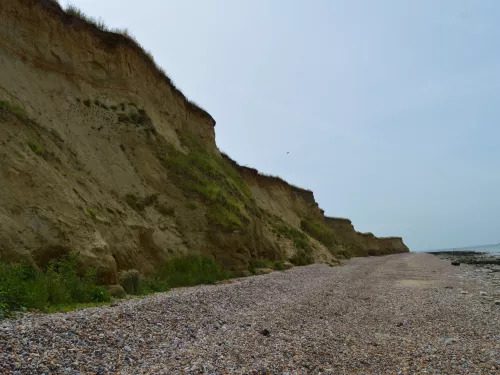
Skip the town beach and find an untamed shore to explore. Wild sand and shingle beaches are great places to see the variety of natural habitats and the amazing force of the elements that help shape them.
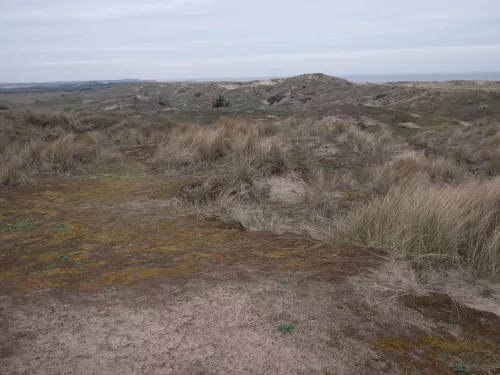
Sand dunes are places of constant change and movement. Wander through them on warm summer days for orchids, bees and other wildlife, or experience the forces of nature behind their creation – the raw power of a winter storm.
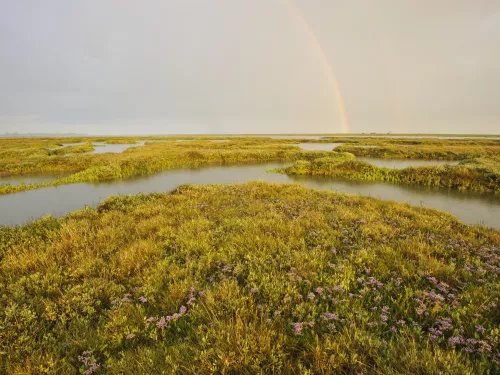
Saltwater marshes and mudflats form as saltwater floods swiftly and silently up winding creeks to cover the marsh before retreating again. This process reveals glistening mud teeming with the invisible life that draws in thousands of birds to feed.
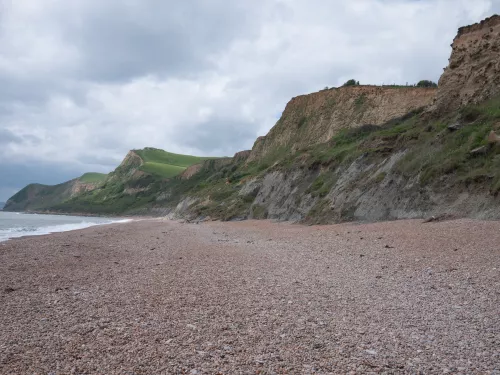
Whether they are tumbles of soft rock home to a variety of invertebrates, or hard, soaring rock faces bustling with huge seabird colonies, cliffs may be challenging to explore but are well worth the reward.
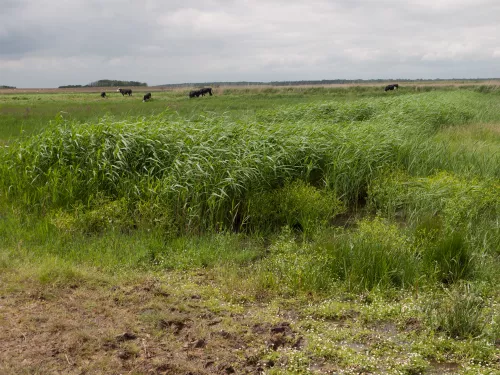
Enormous flocks of geese, ducks and swans swirl down from wide skies to drop onto the flat, open expanses of flooded grazing marshes in winter. In spring, lapwing tumble overhead and the soft, damp ground speckled with cuckooflowers provides excellent…
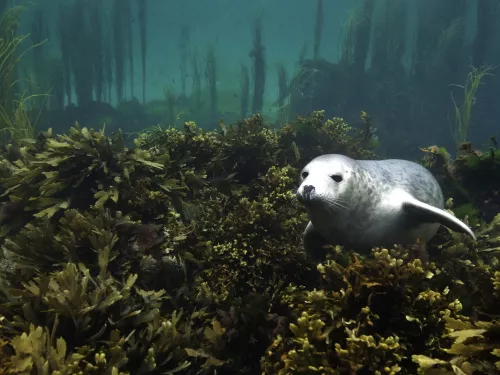
During the 50 years or more that I have been involved with studies on the coasts of Kent and Sussex, I have seen considerable change to the inshore marine environment and its fauna and flora...
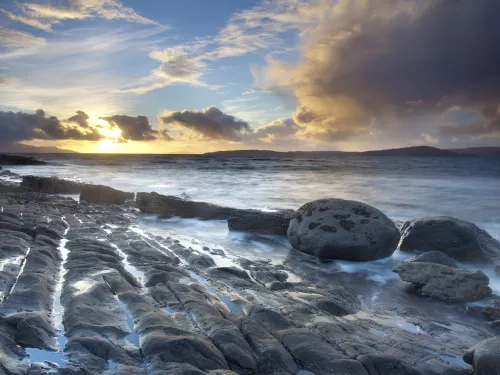
The Making Space for Nature Project is leading on Kent and Medway’s Local Nature Recovery Strategy (LNRS). A team has been in place since October, engaging with stakeholders about nature recovery plans for Kent's future.
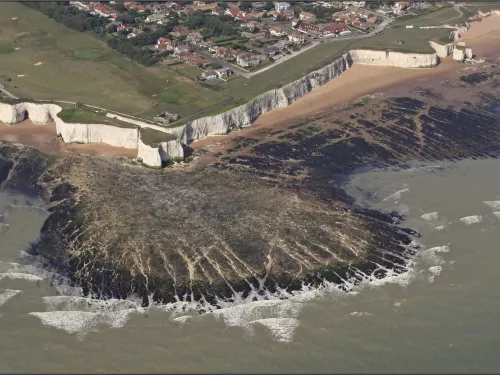
The county of Kent is blessed with an extensive coastal and intertidal environment comprising elements of the eastern Thames Estuary, the southern North Sea and the English Channel. In north-east Kent, located between the towns of Whitstable and Deal, is…