White-legged Snake Millipede ©northeastwildlife.co.uk

Crustacea, Centipedes and Millipedes in Kent

Learn about Kent centipedes and millipedes and the ways you can help them thrive through our species and habitat guides.

Search more species

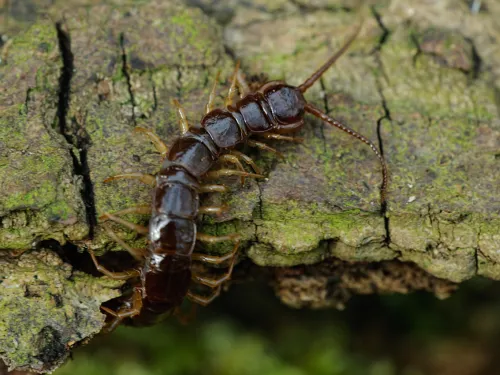
Brown Centipede ©northeastwildlife.co.uk

Brown centipede

Species

A regular in gardens, hunting around compost heaps and under stones, the brown centipede is a common minibeast. Despite its name, it has 15 pairs of legs - one on each segment of its body.
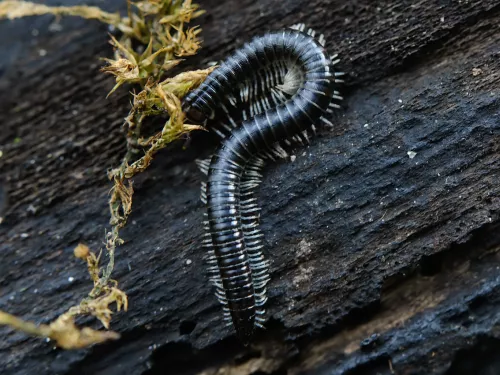
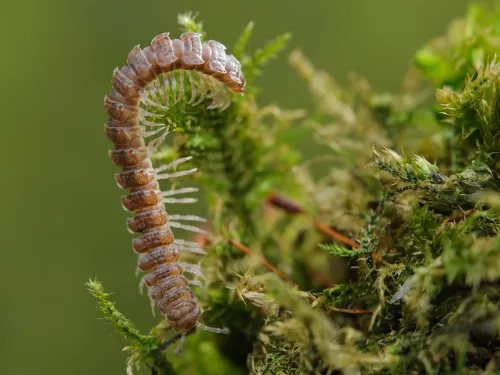
White-legged Snake Millipede ©northeastwildlife.co.uk

White-legged snake millipede

Species

Found in compost heaps and under stones in gardens, the White-legged snake millipede is a common minibeast. Despite its name, it has about 100 legs. It is an important recycler of nutrients, feeding on decaying matter.

Flat-backed Millipede ©northeastwildlife.co.uk

Flat-backed millipede

Species

Found in compost heaps and under stones in gardens, the Flat-backed millipede is a common minibeast. Despite its name, it only has about 40 legs. It is an important recycler of nutrients, feeding on decaying matter.

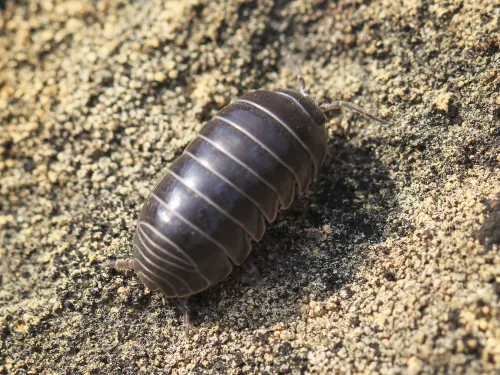
Pill woodlouse ©Frank Porch

Pill woodlouse

Species

The defensive mechanism of the pill woodlouse is very recognisable - it curls itself into a tight ball, only showing its plated armour to its attacker. It is an important recycler of nutrients, feeding on decaying matter.

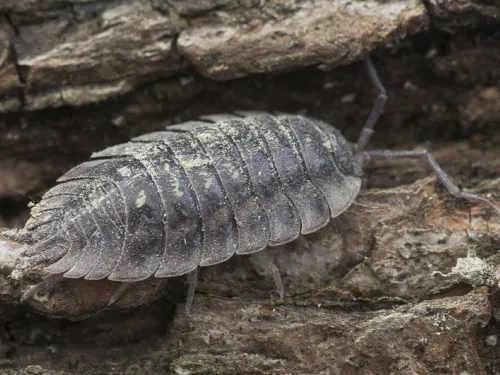
Common Woodlouse ©northeastwildlife.co.uk

Common woodlouse

Species

If you were to pick up a rock in the garden, you’d hopefully find a few common woodlouse. These hardy minibeasts have in-built armour and like to hide in warm, moist places like compost heaps.

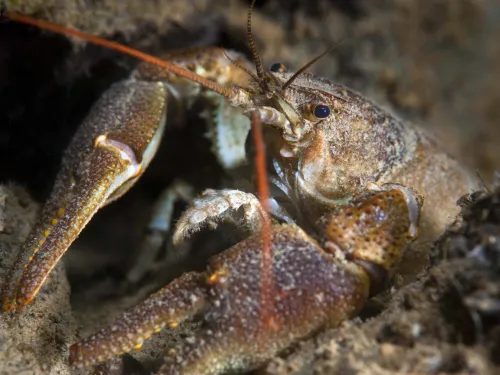
©Alex Mustard/2020VISION

White-clawed crayfish

Species

The White-clawed crayfish is a freshwater, bronze-coloured crustacean with pale undersides to its claws - hence the name. It is under threat from an invasive and introduced species of crayfish.