
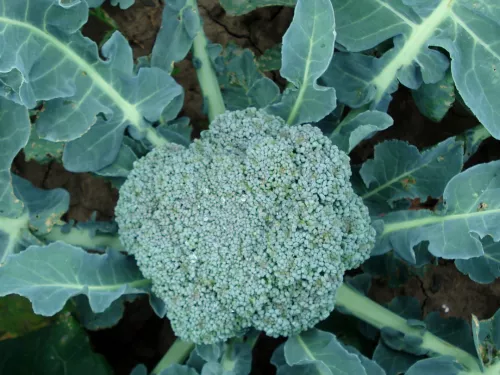
Brassicas
Varieties like broccoli and kale will flower after harvesting, providing food for early spring mining bees. Many varieties can be sown or planted out in summer – plant in rich soil and firm well.

Varieties like broccoli and kale will flower after harvesting, providing food for early spring mining bees. Many varieties can be sown or planted out in summer – plant in rich soil and firm well.
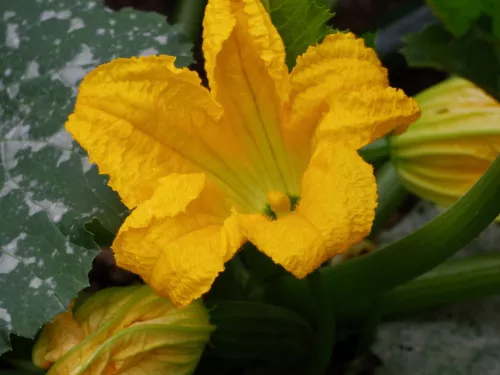
Buy ready-grown plants and plant into rich soil in early summer, and keep well watered. 22-spot ladybirds are very polite, leaving the fruit for you and eating only the leaf mildew.

Plant from spring to autumn in pots or the ground. Leave some unharvested so it flowers for butterflies and bees.
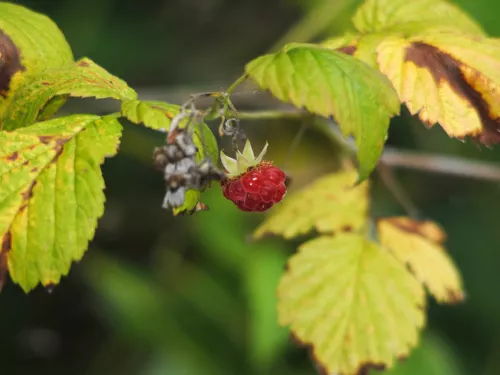
Buy canes in spring or autumn and plant in rich, moist soil. The blackbirds will leave you some, I promise!
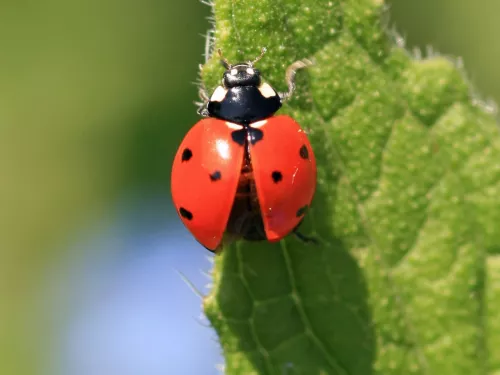
Avoid removing aphids and you’ll provide food not just for them but for the ladybirds, lacewings and hoverfly larva that eat them. Sow direct in autumn or spring. Stake taller varieties.
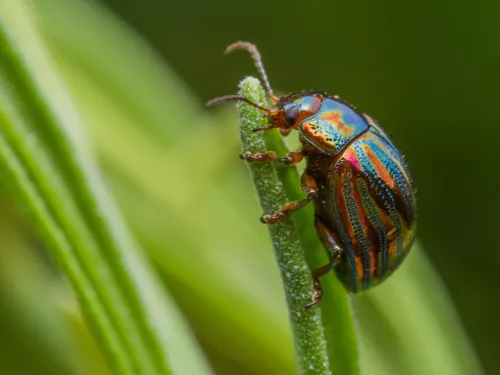
Flowering in spring, rosemary provides nectar and pollen for queen bumblebees. Plant at any time of year in moist but well-drained soil.
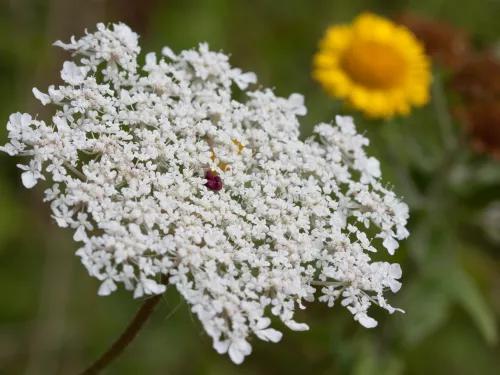
Sow direct in pots or the ground from spring to late summer. Leave some to flower for pollinators.
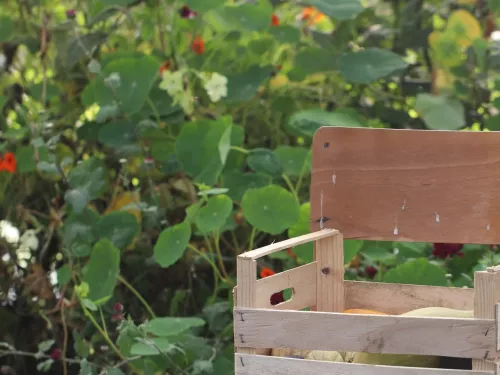
Sow from spring to summer for a crop of fiery leaves and sweet flowers. Leave a crop for ‘cabbage white’ butterflies to feast on – you can move caterpillars from brassicas onto nasturtium leaves to protect them.
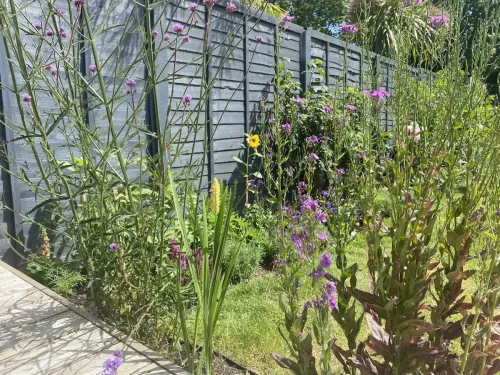
Eighteen months ago, I swapped city life in London for the Kent coast, and it has been one of the best decisions I've made for connecting with nature...
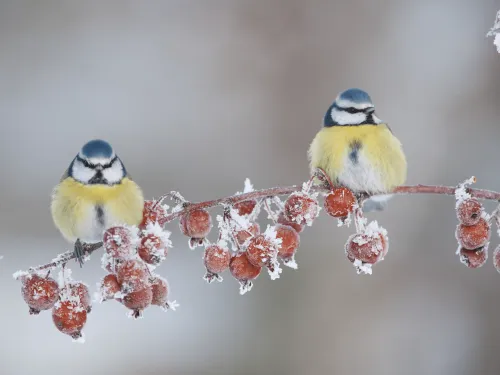
Wilder Gardens Officer, Ellen Tout, talks about her favourite parts of the winter garden and what you can do to make your space a sanctuary for wildlife.
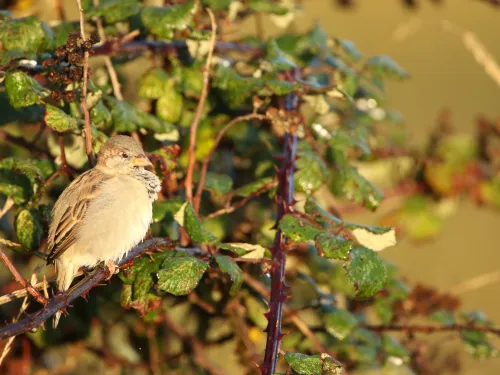
Hedges - they sit at boundaries, at the edges of gardens, fields, and roads. But too often, they’re relegated to the edges of our minds...