
Bittern
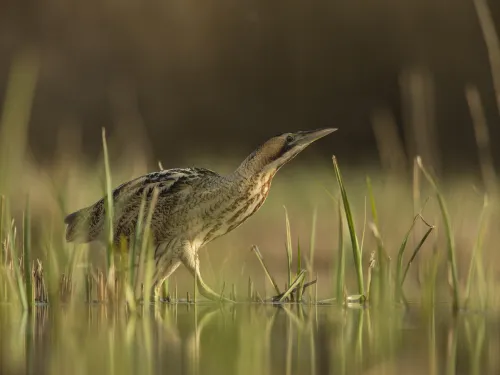
The shy and retiring bittern is a master of blending in and can be very difficult to spot in its reedbed home. It does sound like a booming foghorn, however, when it calls, so can often be heard if it cannot be seen.

The rain-soaked lands of Britain and Northern Ireland are rich in rivers, streams, lakes, ponds, canals and ditches. Whether natural or artificial, they are the life-force behind the wildlife we love.
Waterbodies vary greatly according to the shape of the land, the rock beneath them and the movement of water. Streams start from springs, snowmelt or rainwater. This drains from a catchment, flowing rapidly downhill in the uplands, over time eroding a shaped valley.
Streams join to form broader rivers. When a river reaches the lowlands, it slows and meanders across a broad, flat and fertile floodplain. Eventually, rivers reach the coast and the water flows into the sea. As nowhere in the UK is that far from the sea, water doesn’t travel far enough for very large rivers to form. Most natural lakes are found where glaciers gouged out deep valleys, or deposited debris that creates a natural dam.
Many lakes and ponds were created by gravel extraction or as reservoirs, fish ponds, mill ponds or for livestock. Lakes are temporary features, eventually filling with sediment and developing fen vegetation, but this is a very slow a process.
Canals and ditches are also artificial water bodies. Canals were created for transport but fell into decline as they were replaced by trains and roads. However, many have been restored and are used for recreation. They have little flow and have more in common with ponds than rivers. They can support much wildlife, often bringing it into urban areas – some are of international importance for their aquatic flora and invertebrates.
Ditches were often part of farmland. Although many hold little wildlife, those in areas that were once wetlands can be rich in plants and invertebrates, providing a refuge for species that were once more widespread.
Natural rivers are dynamic, creating islands and mini landforms. Over time they erode their outer curves and migrate across their floodplain. The habitats that form along these rivers are home to a range of wildlife. Kingfishers and sand martins burrow into muddy, riverside cliffs, and shingle supports diverse invertebrates as well as nesting birds, such as little ringed plover and common sandpiper.
However, few rivers in the UK show fully functioning natural processes. They’ve been modified for centuries through human use, including water impoundment for mills, waste disposal and energy creation schemes. Rivers have been deepened, straightened and embanked to improve boat access and increase the water flow. This has cut rivers off from their floodplains and stopped them from creating the mix of habitats that so much wildlife depends on.
Pollution has also had an impact on our waterways. Pollution due to nutrients, soil and pesticides entering the river and events such as chemical spills have disastrous effects. Intensive cultivation of river catchments has also resulted in soil run-off and polluted waters.
Recognition of these issues has led to the development of plans to reduce pollution and restore natural habitats. Water bodies are particularly sensitive to climate change which is likely to lead to warmer temperatures, intensified storm events and drought. Future river restoration needs to be combined with wider policies relating to climate change, such as the reinstatement of working floodplains.
We have started to recognise that healthy wetlands are important, not just for wildlife, but also for us. River and floodplain restoration projects carried out by Wildlife Trusts are aiding these vital habitats. You can support this work by joining the Wildlife Trust in your area.
You can help reduce the strain on our streams and rivers by reducing your own water use, in the house and in the garden. Tips for saving water include turning off the tap when brushing your teeth, or washing fruit and veg in a bowl rather than under a running tap.
Check out your local water company website, as many companies now offer water saving tips and devices.
The shy and retiring bittern is a master of blending in and can be very difficult to spot in its reedbed home. It does sound like a booming foghorn, however, when it calls, so can often be heard if it cannot be seen.
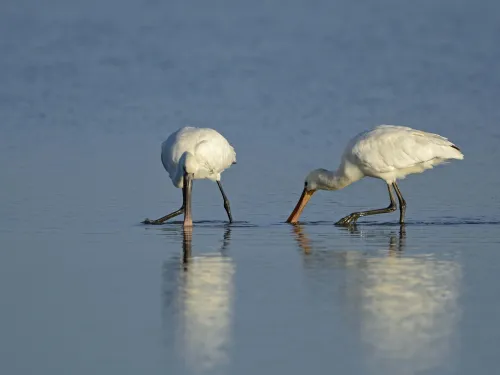
The distinctive sight of a spoonbill is becoming increasingly common in the east and southwest of England, with colonies of breeding birds now established.
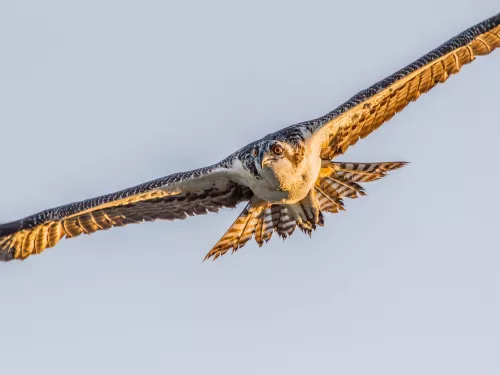
A great way to get up close and personal with the magnificent osprey is via one of the many nestcams set-up in the places that it breeds: Scotland, Cumbria, Wales and the East Midlands.
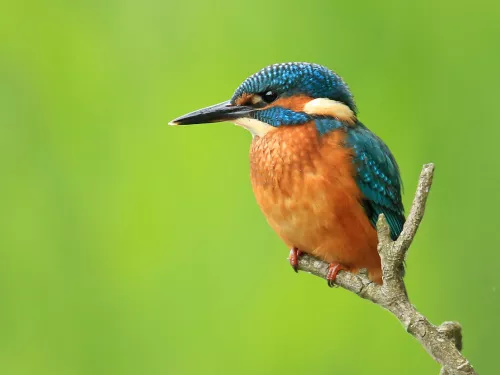
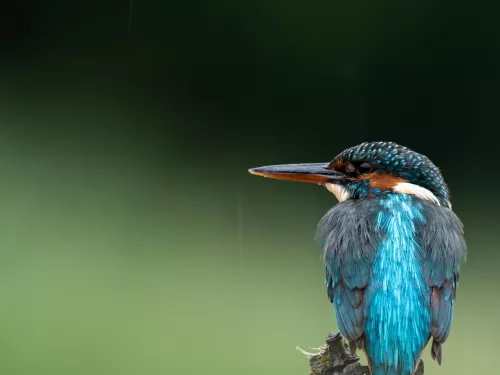
Blink and you may miss the fantastic kingfisher! This beautiful bird is easy to recognise thanks to its bright blue and metallic copper colours. It darts along the riverbank or sits patiently on a low branch over the water waiting for its next meal to swim by.
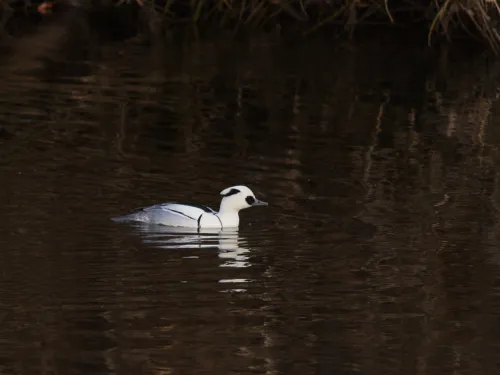
This small duck is an uncommon winter visitor to the UK, where they're usually found on lakes, reservoirs and gravel pits.
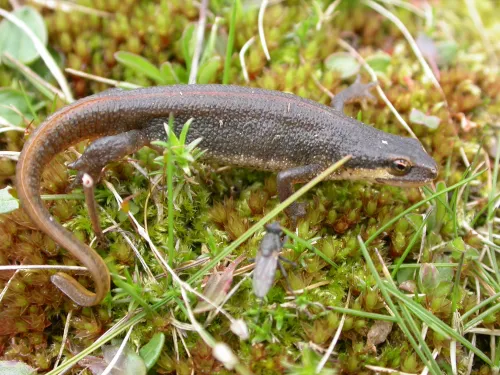
The palmate newt looks similar to the smooth newt, but favours shallow pools on acidic soils like heathlands. During the breeding season, males grow distinctive black webbing on their hind feet.
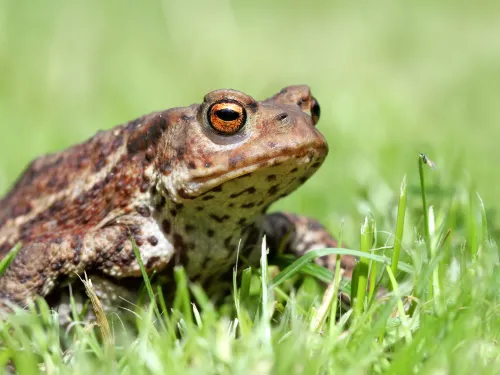
Despite its warts and ancient associations with witches, the common toad is a gardener's friend, sucking up slugs and snails. It is famous for migrating en masse to its breeding ponds.
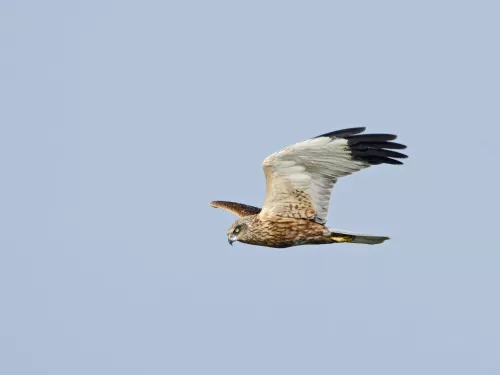
The courtship of the marsh harrier is certainly a sight to behold - wheeling and tumbling through the sky, male and female partners lock talons in mid-air. Look out for this rare bird over reedbeds in East Anglia, Somerset and the South East.
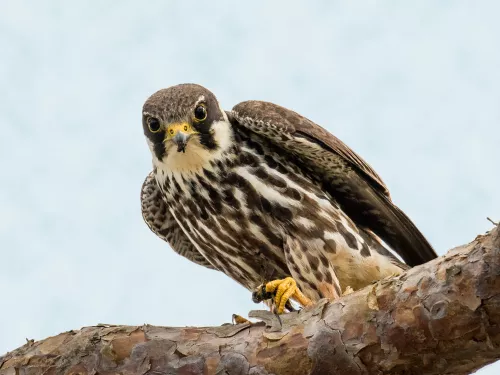
Look out for the swift-like shape of the hobby as it darts over heathlands and wetlands in summer. They are keen hunters, chasing and catching fast-flying dragonflies and small birds on the wing.
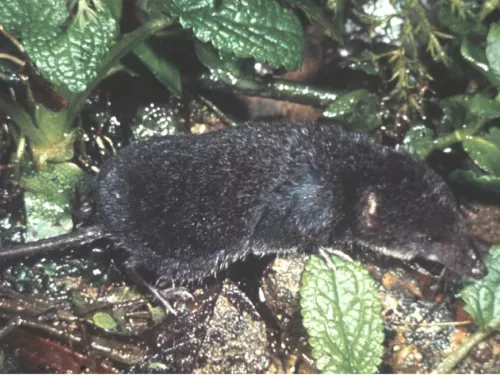
The large, dark grey water shrew lives mostly in wetland habitats. It's a good swimmer that hunts for aquatic insects and burrows into the banks.
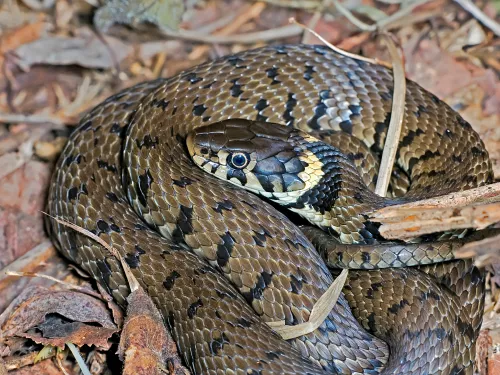
The grass snake is our longest snake, but don't worry if you find one in the compost heap - it's harmless! Look out for this green and yellow beauty in grasslands and wetlands, too.
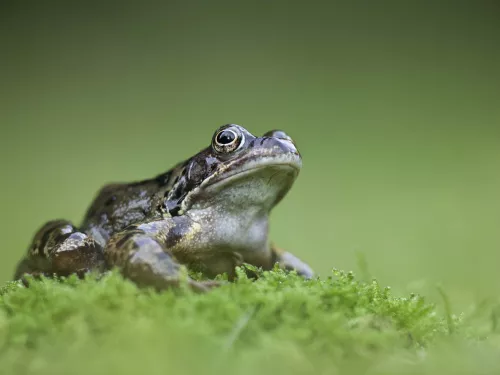
Our most well-known amphibian, the common frog is a regular visitor to garden ponds across the country, where they feast on slugs and snails. In winter, they hibernate in pond mud or under log piles.
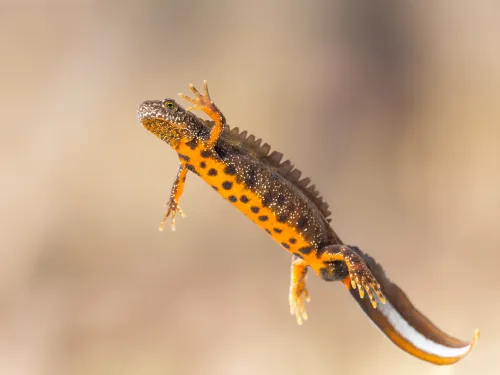
With its prominent, wavy crest, the great crested newt, also known as the 'warty newt', looks like a mini dinosaur! This protected species favours clean ponds during the breeding season.
Our most well-known amphibian, the common frog is a regular visitor to garden ponds across the country, where they feast on slugs and snails. In winter, they hibernate in pond mud or under log piles.

This beautiful moth is often found resting on leaves, though it does also fly during the day.
Blink and you may miss the fantastic kingfisher! This beautiful bird is easy to recognise thanks to its bright blue and metallic copper colours. It darts along the riverbank or sits patiently on a low branch over the water waiting for its next meal to swim by.
The shy and retiring bittern is a master of blending in and can be very difficult to spot in its reedbed home. It does sound like a booming foghorn, however, when it calls, so can often be heard if it cannot be seen.
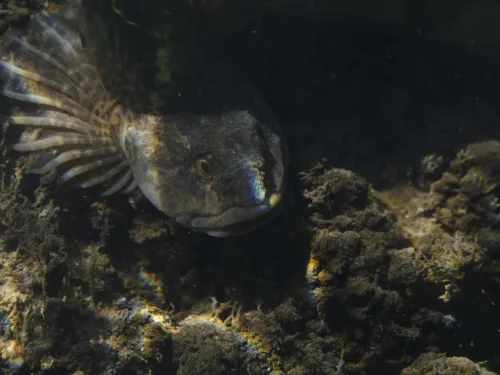
Living up to its name, the bullhead has a characteristically large, flattened head and a tapering body. Look out for it in fast-flowing, stony rivers and streams.
The distinctive sight of a spoonbill is becoming increasingly common in the east and southwest of England, with colonies of breeding birds now established.
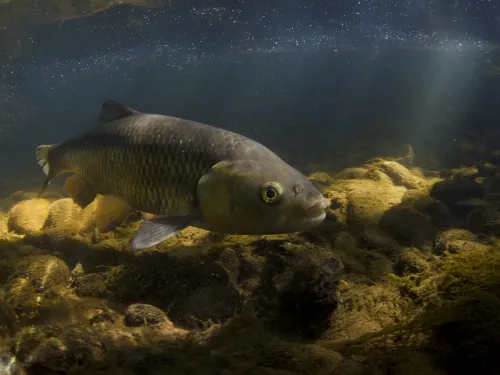
The silvery chub can be seen gathering in large shoals in lowland rivers and streams. It is a member of the carp family and looks very similar to the dace, but is larger and has redder fins.
A great way to get up close and personal with the magnificent osprey is via one of the many nestcams set-up in the places that it breeds: Scotland, Cumbria, Wales and the East Midlands.
The grass snake is our longest snake, but don't worry if you find one in the compost heap - it's harmless! Look out for this green and yellow beauty in grasslands and wetlands, too.
The palmate newt looks similar to the smooth newt, but favours shallow pools on acidic soils like heathlands. During the breeding season, males grow distinctive black webbing on their hind feet.
Despite its warts and ancient associations with witches, the common toad is a gardener's friend, sucking up slugs and snails. It is famous for migrating en masse to its breeding ponds.
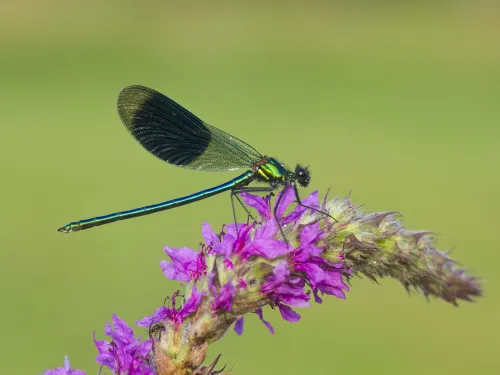
The Banded demoiselle can be seen flitting around slow-moving rivers, ponds and lakes. The males are metallic blue, with a distinctive dark band across their wings, and the females are a shiny green.
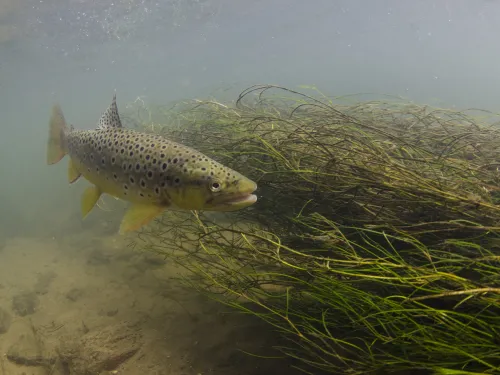
A fierce predator of small fish and flying insects, the brown trout is widespread in our freshwater rivers. It is has a golden body, flanked with pale-ringed, dark spots.
Blink and you may miss the fantastic kingfisher! This beautiful bird is easy to recognise thanks to its bright blue and metallic copper colours. It darts along the riverbank or sits patiently on a low branch over the water waiting for its next meal to swim by.
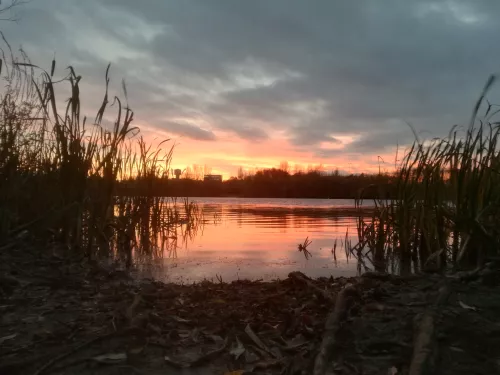
Conningbrook Lakes is made up of a series of lakes, ponds, river, wet woodland and grasslands – creating a great place for a riverside stroll, and host to a variety of wildlife.
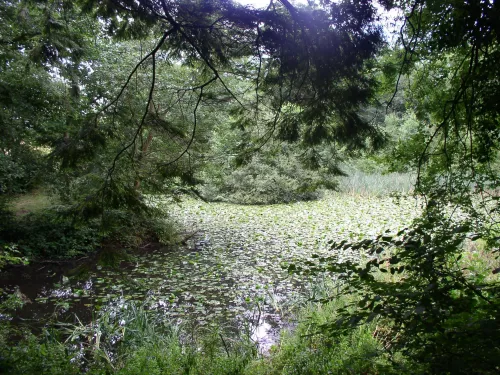
A small woodland reserve centred around a lake
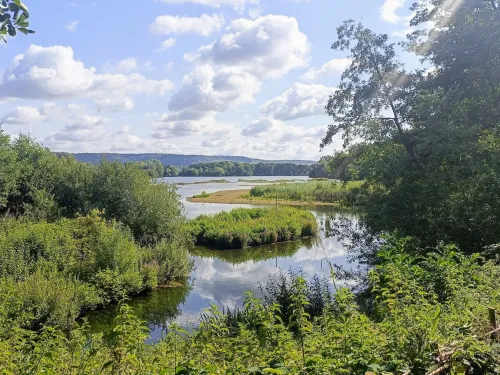
Welcome back to the refurbished Harrison Visitor Centre! This 73 hectare site was the first example of a gravel pit site being developed for the purpose of nature conservation. It is home to a diverse range of plants, fungi, birds and dragonflies & damselflies.
Conningbrook Lakes is made up of a series of lakes, ponds, river, wet woodland and grasslands – creating a great place for a riverside stroll, and host to a variety of wildlife.
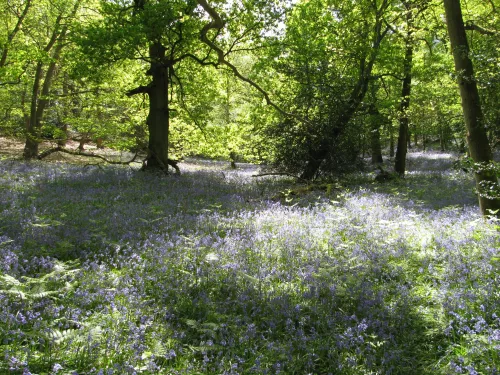
'Relic' wood pasture, veteran trees and nationally rare acid grassland make up this site squeezed between major roads, railway lines, and the rapid urban development of Ashford.
An ancient woodland site.
A meadow and low-lying bog.
Ancient woodland with a wide range of ground flora.
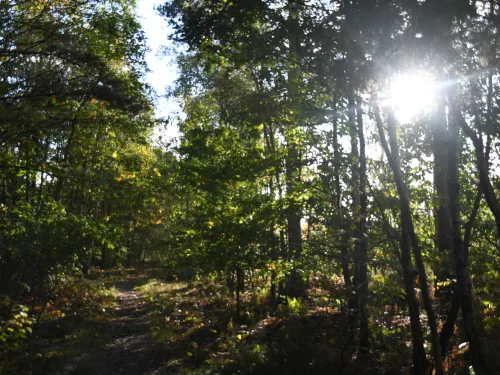
The largest Kent Wildlife Trust reserve, home to the Wilder Blean project where we have introduced European bison, ponies and iron-age pigs.
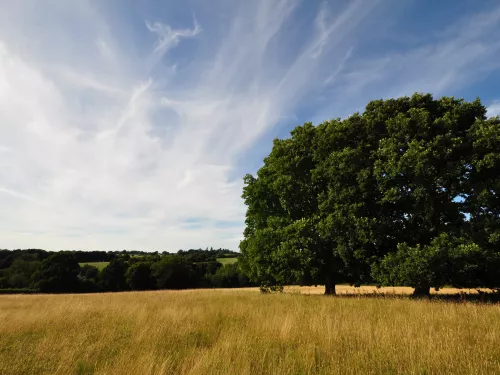
The reserve is managed as part of an organic livestock farm in partnership with a local farmer and consists of neutral grassland, a small stream, a pond and areas of scrub and mature woodland.
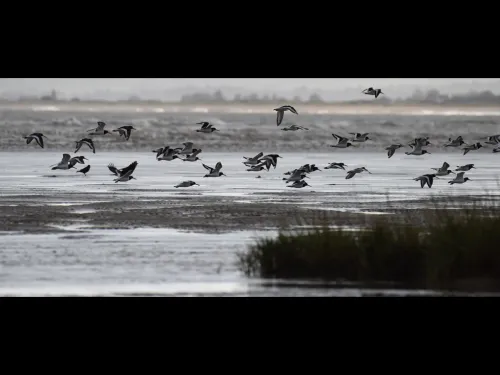
Listen to the rolling waves on the sand and shingle, breathe in the saline scents of the saltmarsh, and watch the wonderful wildlife this very important and sensitive National Nature Reserve has to offer.
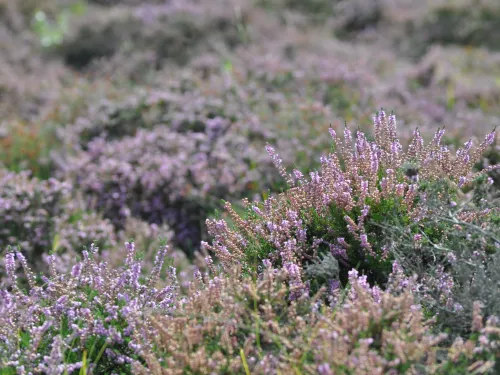
Rich in flora and fauna, this important reserve contains Kent's last four valley bogs and one of its few remaining fragments of open heath.
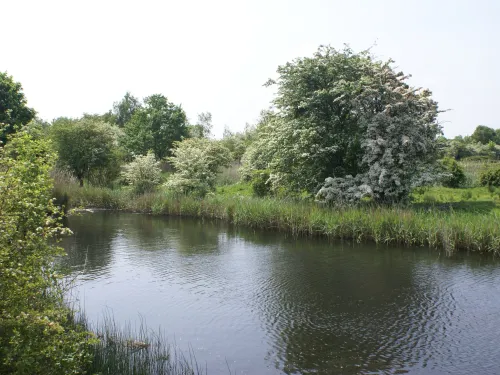
Lying along the edge of the river Medway, this patchwork of wet fields and scrub is criss-crossed by ditches and home to many rare and unusual plants and animals.
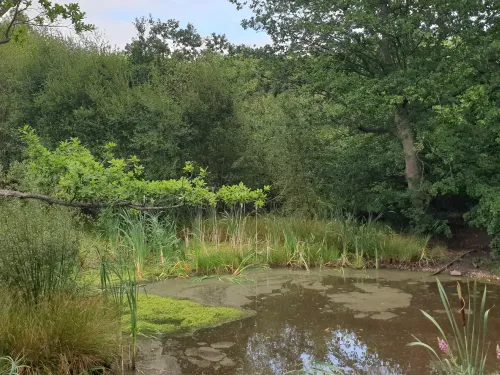
An ancient semi-natural woodland on the southeast side of a dry slope valley. Carpets of wood anemone are followed by bluebells, early purple and common spotted orchids.
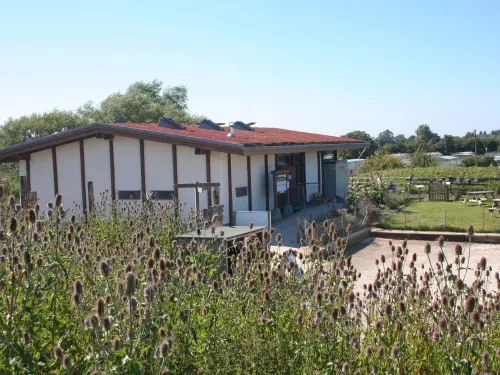
Important update: The Visitor Centre is no longer operated by Kent Wildlife Trust. It has since re-opened under new ownership as The Nest. The country park and gardens - managed by the Romney Marsh Countryside Partnership - remain open to the public. Please read the update below.
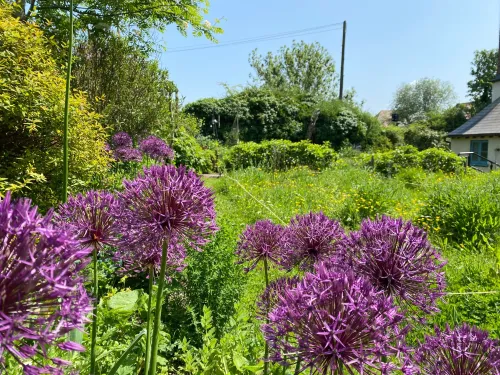
Tyland Barn is the headquarters of the Kent Wildlife Trust and a base for many of our educational activities. The restored 17th-century barn offers a flexible indoor space and is available for hire.
Conningbrook Lakes is made up of a series of lakes, ponds, river, wet woodland and grasslands – creating a great place for a riverside stroll, and host to a variety of wildlife.
Ancient woodland with a wide range of ground flora.
The reserve is managed as part of an organic livestock farm in partnership with a local farmer and consists of neutral grassland, a small stream, a pond and areas of scrub and mature woodland.
Welcome back to the refurbished Harrison Visitor Centre! This 73 hectare site was the first example of a gravel pit site being developed for the purpose of nature conservation. It is home to a diverse range of plants, fungi, birds and dragonflies & damselflies.
Listen to the rolling waves on the sand and shingle, breathe in the saline scents of the saltmarsh, and watch the wonderful wildlife this very important and sensitive National Nature Reserve has to offer.
Rich in flora and fauna, this important reserve contains Kent's last four valley bogs and one of its few remaining fragments of open heath.
Lying along the edge of the river Medway, this patchwork of wet fields and scrub is criss-crossed by ditches and home to many rare and unusual plants and animals.
Lying along the edge of the river Medway, this patchwork of wet fields and scrub is criss-crossed by ditches and home to many rare and unusual plants and animals.
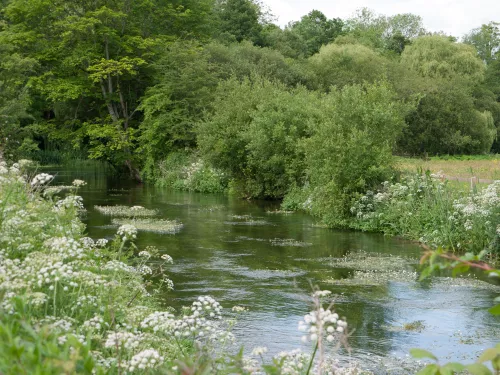
Cool, crystal-clear waters flow over gravelly beds, streaming through white-flowered water-crowfoot and watercress in serene lowland landscapes.
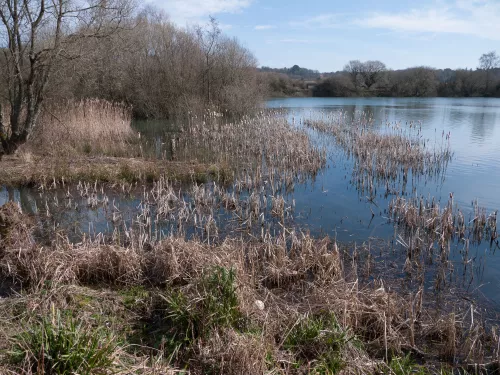
Lakes come in many forms: some are splendid and clear, while others are more reminiscent of a murky swamp. Each lake is strongly influenced by the underlying lakebed and the surrounding landscape, and collectively, lakes support a huge variety of animal…
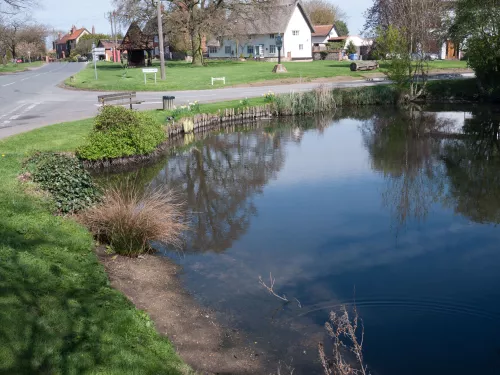
Whether found in a garden or part of an agricultural landscape, ponds are oases of wildlife worth investigating. Even small ponds can support a wealth of species and collectively, ponds play a key role in supporting freshwater wildlife.
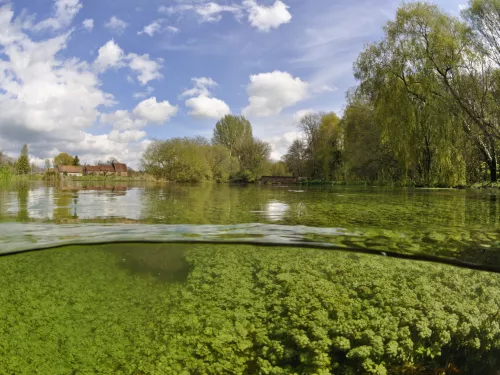
From otters to freshwater shrimps, all animals are dependant on an abundant and reliable supply of clean water. Rivers sustain the natural environment, wildlife and people in equal measure.
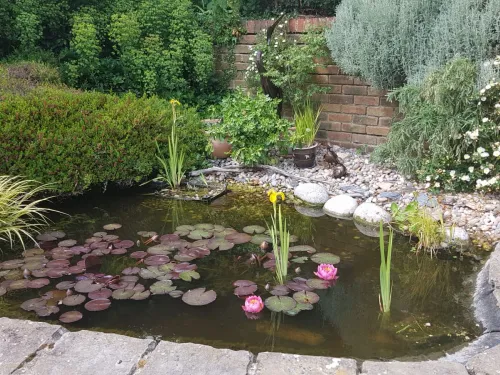
Judith Hathrill, Wild About Gardens volunteer, writes all about her garden pond and why it's so vital for wildlife.
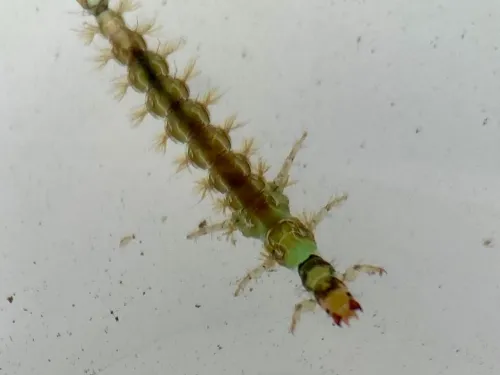
Each month since October 2024 we have been part of a team of Kent Wildlife Trust volunteers monitoring the diversity and abundance of a select groups of invertebrates (mayfly larvae, caddis fly larvae and freshwater shrimp on the River Darent).
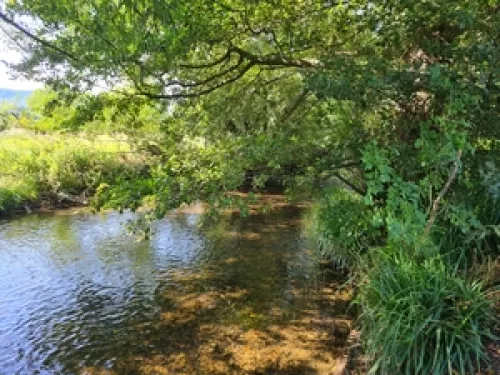
Almost three years of RiverSearch citizen scientists collecting data on the health of Kent's rivers and streams has been collated in this report. Find out how our rivers measure up in nitrates, phosphates and turbidity.
Chalk streams are among the most precious and rare freshwater ecosystems on Earth, which we are so lucky to enjoy across Kent. They are characterised by their crystal-clear, mineral-rich waters, filtered through ancient chalk bedrock, which support a…
Each month since October 2024 we have been part of a team of Kent Wildlife Trust volunteers monitoring the diversity and abundance of a select groups of invertebrates (mayfly larvae, caddis fly larvae and freshwater shrimp on the River Darent).