
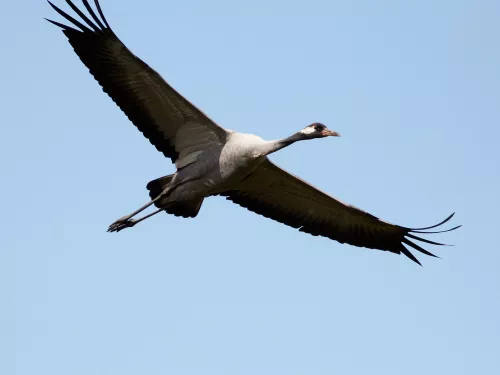
Common crane
As the UK’s tallest bird the common crane is instantly recognisable with the ruffle of tail feathers and very long legs. Their bugling call is also very distinctive.

Water-logged and thick with reeds and robust tall-herbs or tussocky sedges, fens are evocative reminders of the extensive wet wildlands that once covered far more of the lowlands than they do today.
Lowland fen is often found in small fragments, isolated by intensively managed farmland, but there are also more extensive areas in wetlands that have escaped drainage. The vegetation generally comprises typical wetland species such as reeds, rushes and sedges, including either tall robust species such as great fen-sedge and common reed, or a suite of small sedges such as common sedge and yellow sedges.
On managed sites, the structure of fen can be very diverse with open pools, wet hollows, mown areas, tussocky areas with deep litter and transitions to swamp and wet woodland, and this makes for a very diverse habitat. Around one third of all plant species native to the UK can be found in fens, together with half of the dragonfly species and thousands of other invertebrate species, notably beetles and flies.
Fen vegetation forms in shallow valleys and lake basins where drainage is poor and a constant flow of water or flooding causes waterlogging. It is a transitional habitat that would, over time, develop into wet woodland or, if the growth of peat is enough to isolate the vegetation from the groundwater, into raised bog. Traditional use of fenland, including mowing, grazing and peat digging, stalled this process and created diverse areas of open fen rich in wildlife. Human activities have also played a role in the formation of fens – in the Norfolk and Suffolk Broads, fen is a secondary habitat that has developed on areas of flooded medieval peat diggings.
Fens are influenced by the fertility and pH of the water and substrate. Because of the diversity of fen types some are considered to be part of other habitats: particularly species-rich areas known as fen meadow can result from regular mowing and grazing in slightly drier areas, and are described within purple moor-grass and rush pasture. ‘Poor fens’ are fens with fewer species found in more acidic conditions and include heathland valley mires, which are described under wet heath.
Widely scattered across the lowlands but restricted in distribution. Extensive areas are confined to East Anglia, Anglesey and the Lough Erne system in Northern Ireland.
Although fens can be tricky places to explore, on many nature reserves board walks and mown trails lead through swampy hollows, pools and numerous dykes and ditches, providing excellent places to watch flying insects, listen to warblers and admire the statuesque marshland plants.
Look out for several orchid species, including early and southern marsh-orchids, common spotted-orchid and marsh helleborine – some sites also support the rare narrow-leaved marsh orchid or fen orchid. The small and delicate white flowers of grass-of-Parnassus can be found along mown rides or in small-sedge fens. In the Norfolk and Suffolk broads, look out for very tall nettles that are stingless and scarce species such as cowbane and greater water-parsnip. Also in the Broads, look for the spectacular swallowtail butterfly laying its eggs on tall, prominent milk-parsley plants and the Norfolk hawker dragonfly hunting over reed-fringed, unpolluted, freshwater ditches.
Although fens provide suitable habitat for a variety of mammals, including water vole and harvest mouse, these tend to be hard to see, but keep an eye out for Chinese water-deer, introduced to the Cambridgeshire fens and Broads in the 19th century and now considered vulnerable in its native East Asia.
The decline of traditional management practices has, combined with drainage, resulted in the loss of significant amounts of fen. The quality of remaining areas is often compromised by water extraction nearby or the prevention of flooding from nearby rivers and by the nutrients from agricultural run-off. At some key sites, attempts have been made to maintain higher water tables, including irrigation and the installation of an impermeable membrane. Linking and buffering existing sites is a vital step and is being carried out in large landscape-scale projects such as the Great Fen Project.
As the UK’s tallest bird the common crane is instantly recognisable with the ruffle of tail feathers and very long legs. Their bugling call is also very distinctive.

This beautiful moth is often found resting on leaves, though it does also fly during the day.
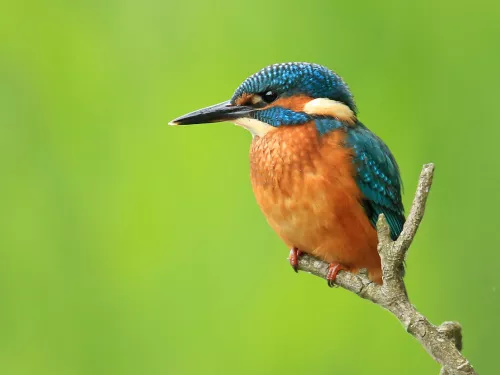
Blink and you may miss the fantastic kingfisher! This beautiful bird is easy to recognise thanks to its bright blue and metallic copper colours. It darts along the riverbank or sits patiently on a low branch over the water waiting for its next meal to swim by.
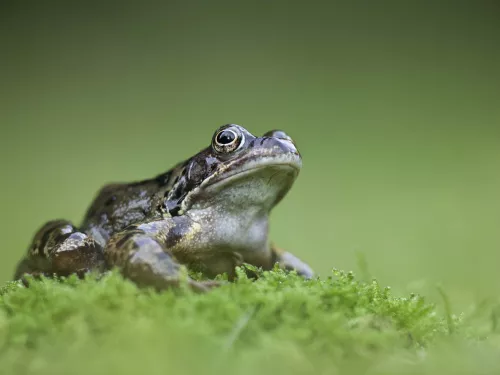
Our most well-known amphibian, the common frog is a regular visitor to garden ponds across the country, where they feast on slugs and snails. In winter, they hibernate in pond mud or under log piles.
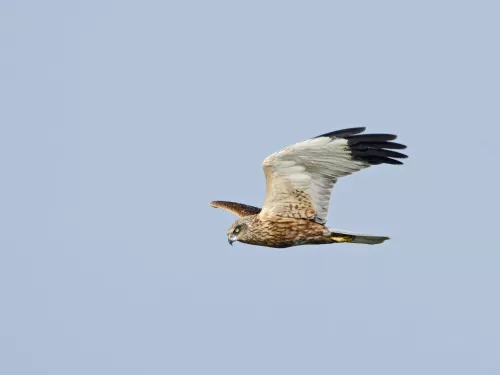
The courtship of the marsh harrier is certainly a sight to behold - wheeling and tumbling through the sky, male and female partners lock talons in mid-air. Look out for this rare bird over reedbeds in East Anglia, Somerset and the South East.
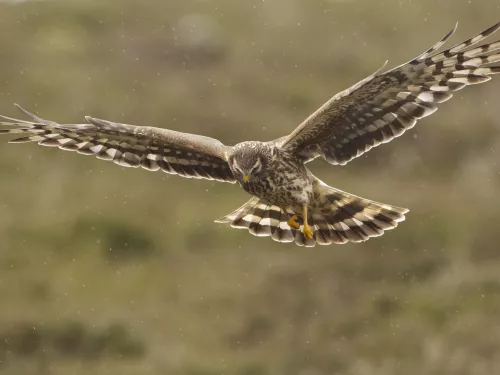
The hen harrier has been severely persecuted for taking game species and has suffered massive declines in numbers as a result. Thankfully, conservation projects are underway to reduce conflict surrounding its controversial prey.
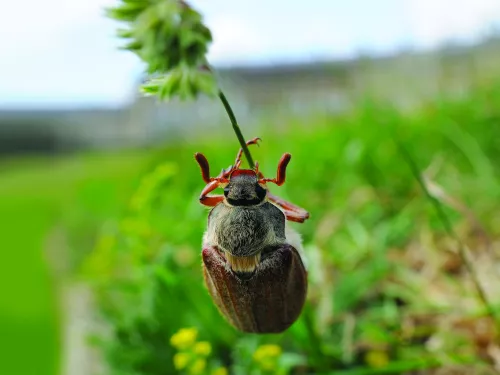
This large, brown beetle can be seen swarming around streetlights in spring. They live underground as larvae for years and emerge as adults often in large numbers. Listen for their characteristic buzzing sound.
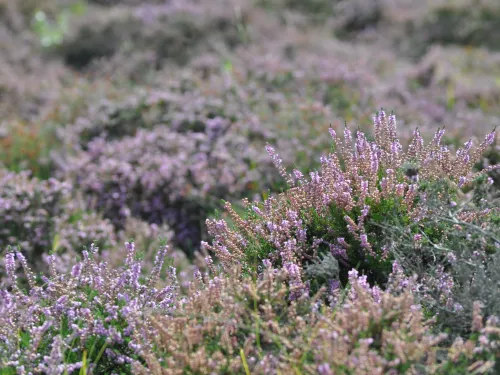
Rich in flora and fauna, this important reserve contains Kent's last four valley bogs and one of its few remaining fragments of open heath.
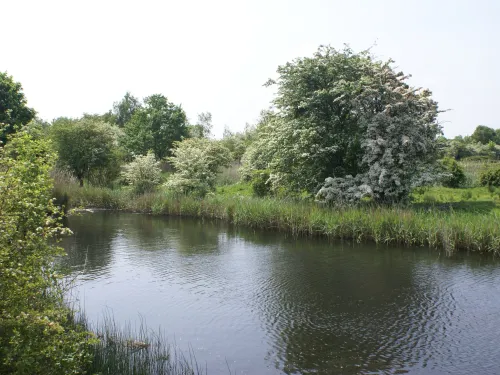
Lying along the edge of the river Medway, this patchwork of wet fields and scrub is criss-crossed by ditches and home to many rare and unusual plants and animals.